Omnia Enterprise 9s High-Density Virtual Audio Processing Software

Omnia Enterprise 9s High-Density Virtual Audio Processing Software

Omnia Enterprise 9s High-Density Virtual Audio Processing Software


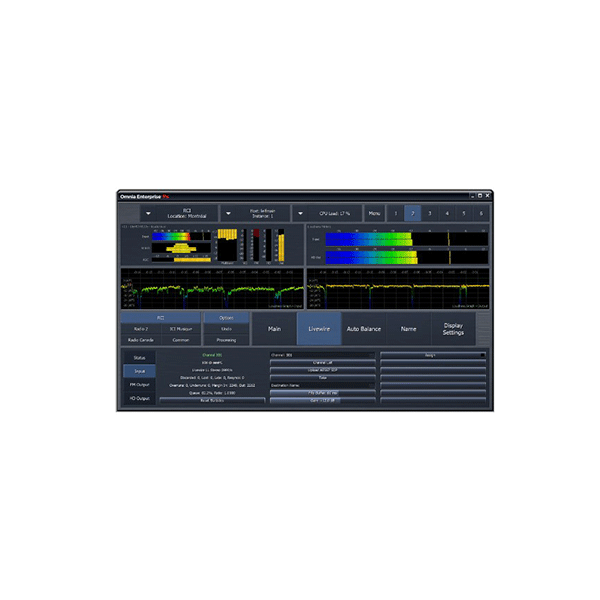
Meet Omnia Enterprise 9s, the high-density audio processing software solution designed with the flexibility to meet the rapidly changing infrastructure needs of broadcasters as they transition to virtualized environments. 9s is a custom solution for high-density server-based (virtual) systems for customers with a large volume of signals that need to be processed. Talk with our sales team to design your 9s solution based on your specific needs.

The numbers are based on the company’s public quarterly reports and industry analyst estimates.

The sector is now a where OTT services, ed‑tech platforms, and traditional publishing houses co‑create and monetize video‑book content.

| Trend | How it Fueled Video‑Books | |-------|---------------------------| | | Massive shift to online platforms created a demand for engaging, curriculum‑aligned video content that could substitute for traditional textbooks. | | Smartphone penetration | By the end of 2021, India had ≈ 750 million smartphone users, many on affordable data plans, making video consumption ubiquitous. | | Government push for digital education | Initiatives such as DIKSHA , SWAYAM and National Digital Library of India (NDLI) opened APIs for multimedia textbooks. | | Rise of regional language content | Platforms began offering video‑books in Hindi, Tamil, Telugu, Bengali, Marathi, and other vernaculars, expanding reach to non‑English speakers. | | Growth of ed‑tech funding | Venture capital poured > $2 billion into Indian ed‑tech firms, many of which built video‑book repositories as core products. |

– By juxtaposing classical Indian folk motifs (Garba steps, mandalas) with glitch‑art aesthetics, Vidio Bokeb sparked a wave of “retro‑future” content across Indian social media. Creators began to incorporate “glitched‑folk” visuals in music videos, fashion lookbooks and even advertising.
Vidio Bokeb India 2021

The numbers are based on the company’s public quarterly reports and industry analyst estimates.

The sector is now a where OTT services, ed‑tech platforms, and traditional publishing houses co‑create and monetize video‑book content. vidio bokeb india 2021

| Trend | How it Fueled Video‑Books | |-------|---------------------------| | | Massive shift to online platforms created a demand for engaging, curriculum‑aligned video content that could substitute for traditional textbooks. | | Smartphone penetration | By the end of 2021, India had ≈ 750 million smartphone users, many on affordable data plans, making video consumption ubiquitous. | | Government push for digital education | Initiatives such as DIKSHA , SWAYAM and National Digital Library of India (NDLI) opened APIs for multimedia textbooks. | | Rise of regional language content | Platforms began offering video‑books in Hindi, Tamil, Telugu, Bengali, Marathi, and other vernaculars, expanding reach to non‑English speakers. | | Growth of ed‑tech funding | Venture capital poured > $2 billion into Indian ed‑tech firms, many of which built video‑book repositories as core products. | The numbers are based on the company’s public

– By juxtaposing classical Indian folk motifs (Garba steps, mandalas) with glitch‑art aesthetics, Vidio Bokeb sparked a wave of “retro‑future” content across Indian social media. Creators began to incorporate “glitched‑folk” visuals in music videos, fashion lookbooks and even advertising. | | Smartphone penetration | By the end